Michael Edward Johnson & Theory of Vasocomputation
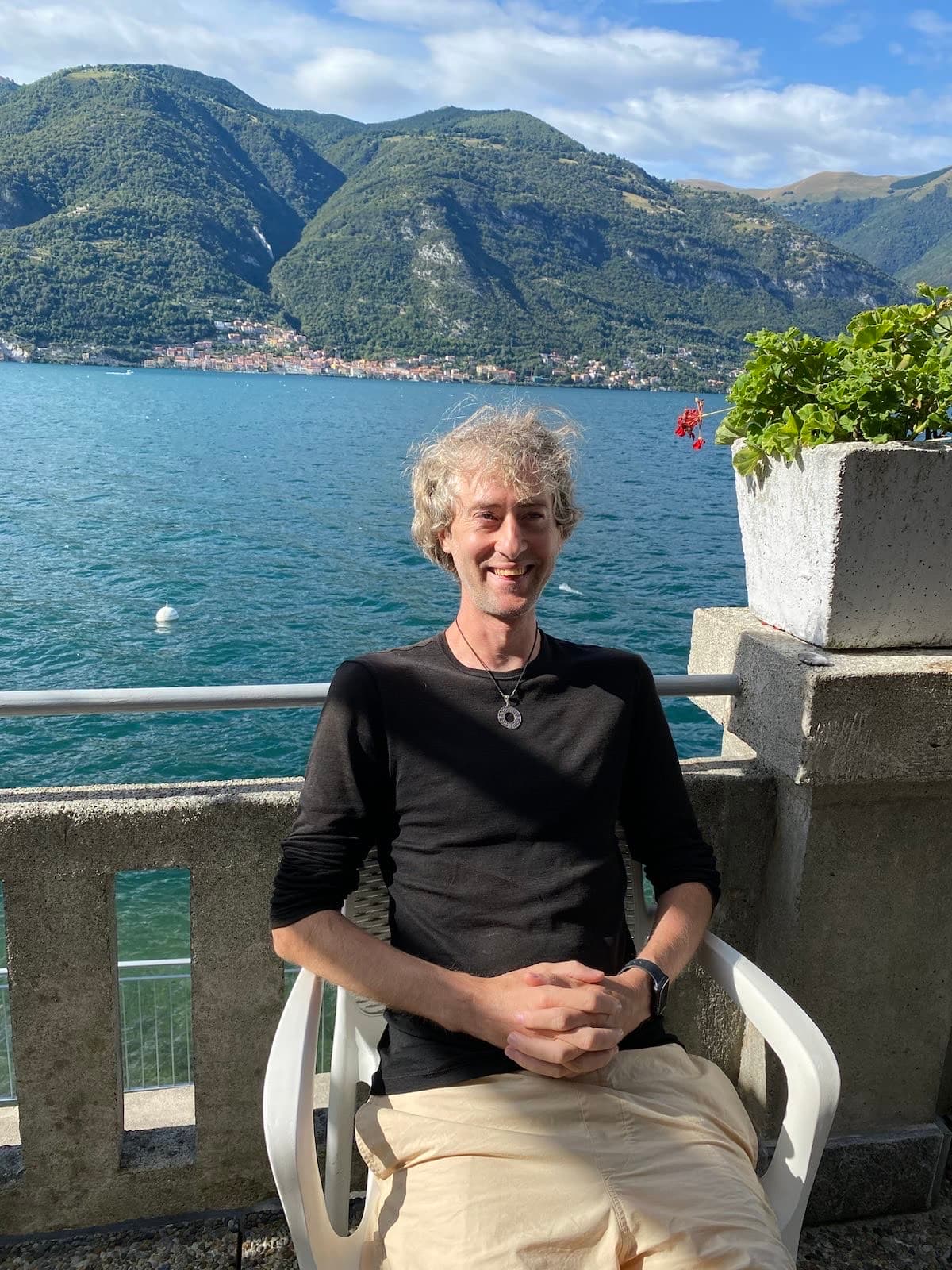
Michael Edward Johnson is a philosopher & neuroscientist known for work spanning the fundamental metaphysics of consciousness (the Symmetry Theory of Valence), self-organizing systems (Neural Annealing), and systems neuroscience (Principles of Vasocomputation).
This elegant theory connects ancient Buddhist concepts of suffering (tanha) with cutting-edge active inference theories, offering a testable biological mechanism that could explain why certain trauma remains “stuck” in the body. It suggests why specific therapeutic approaches—from meditation to somatic therapy to psychedelics—might effectively release these physical patterns.
Michael discussed vasocomputation with Analogue on Friends of Analogue E01. Vasocomputation proposes that the small muscles surrounding our blood vessels (VSMCs) regulate neural dynamic range, essentially acting as a side-channel memory for storing context (“clench = restrict updating”). An important physiological capacity of this system is the “latch-bridge mechanism”, whereby smooth muscle locks into a chronic contraction. These “latches” act as long-term Bayesian priors, essentially ‘freezing’ nearby neural patterns until the latch releases.
What makes Michael’s approach remarkable isn’t just its originality, but its potential reach. By identifying a biological mechanism underlying trauma, his theory could transform mental health treatment by providing the first measurable biological scaffolding for evaluating various therapeutic approaches. It creates dialogue between traditionally separate domains: contemplative practice, neuroscience, and clinical psychology.